brand portfolio
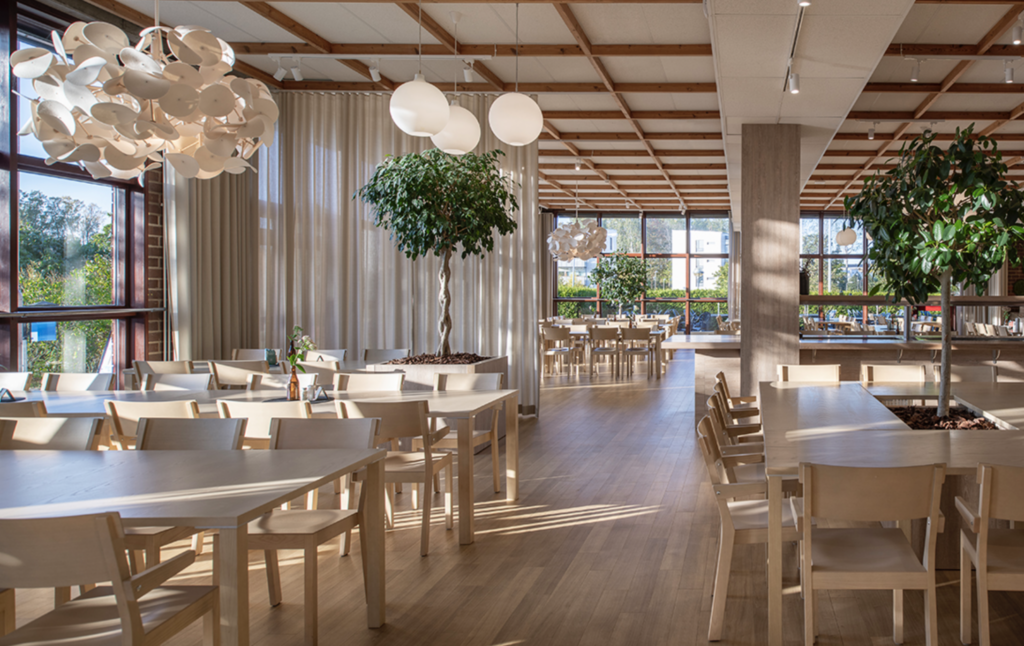
Gärsnäs (Sweden) – the art of eternal furniture
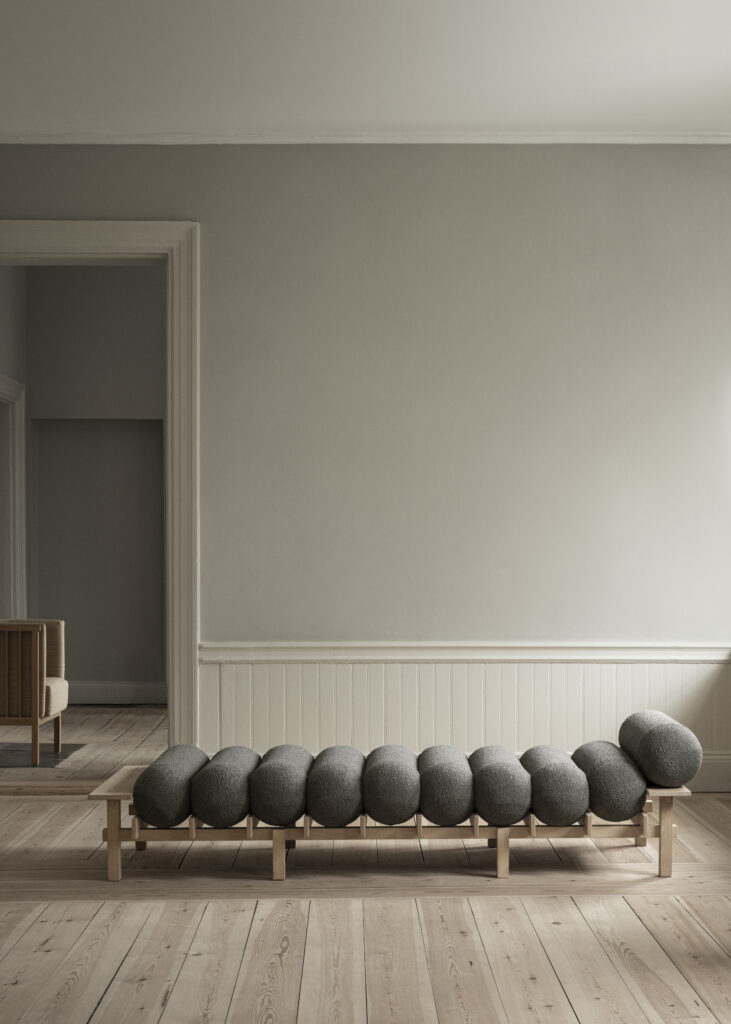
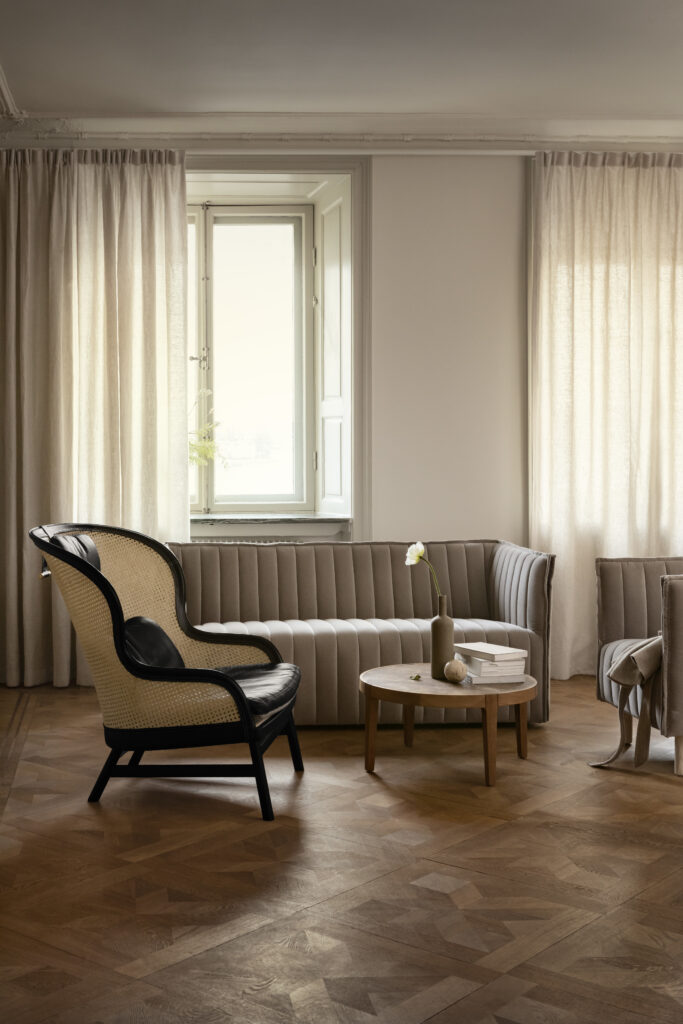
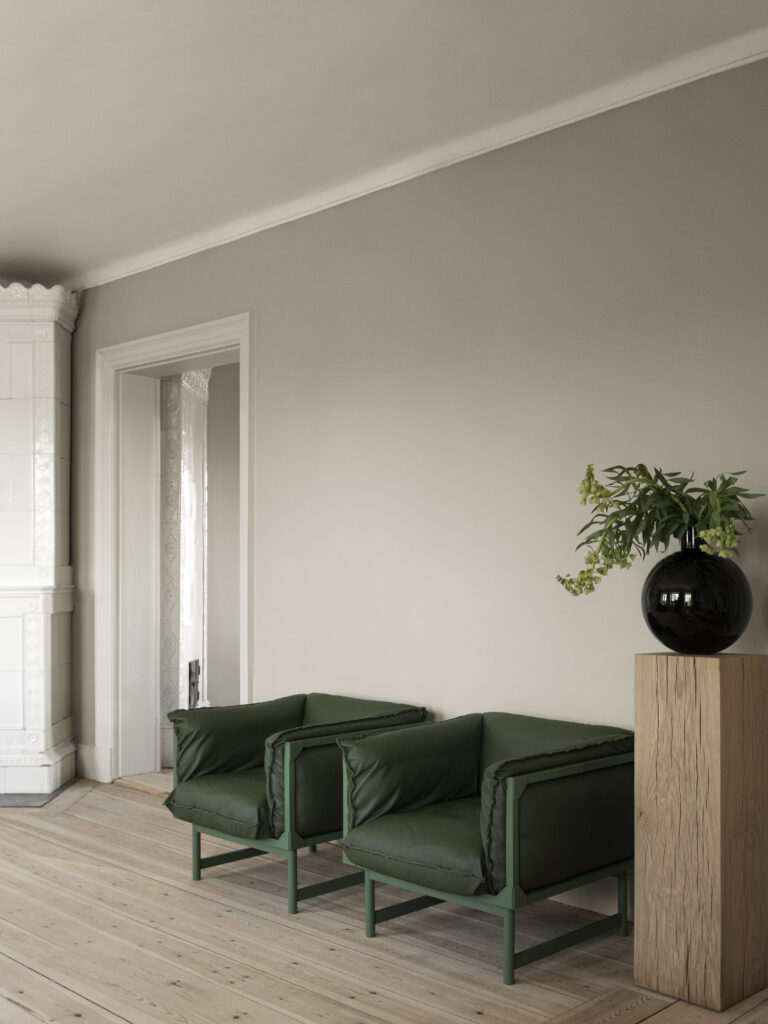
The philosophy of longevity: Founded in 1893, Gärsnäs is a family-owned pillar of Swedish design. Their core philosophy is simple yet radical: the most sustainable product is the one that never needs to be replaced. For Gärsnäs, sustainability is not a marketing layer, but the result of centuries of craftsmanship combined with industrial precision.
Material intelligence & circularity:
- Craftsmanship: Every piece is produced in their own factory in Österlen, Sweden, using FSC-certified wood (primarily beech and oak).
- The restoration program: Gärsnäs offers a unique circular service. Furniture that has been in use for 30 or 40 years in public spaces can be returned to the factory, refurbished, reupholstered, and sent back into service.
- Certifications: Most products are certified by Möbelfakta, ensuring the highest standards for quality, environmental impact, and social responsibility.
Architectural advantage: Gärsnäs provides an unparalleled investment protection. For architects, choosing Gärsnäs means selecting furniture that will remain aesthetically and functionally relevant for over half a century, minimizing the long-term carbon footprint of any project.
Downloads:
2&3D-files I sustainability I brochures I products I projects I website I images
Exclusive commercial agent for Germany
Mizetto (Sweden) – intelligent systems for agile spaces
Redefining order: Mizetto views the modern office not as a static arrangement of desks, but as a living, breathing ecosystem. Their designs are characterized by Nordic understatement—clean lines that hide sophisticated functional depth.
Circular innovation:
- Design for disassembly: Every Mizetto product is engineered to be taken apart. At the end of its life cycle, steel, wood, and plastic can be separated and returned to their respective recycling loops.
- Local resilience: 100% of production takes place in Sweden. This ensures full transparency of the supply chain and significantly reduces CO2 emissions from logistics.
- Waste management: Mizetto doesn’t just design storage; they design systems like Arkityp, which make waste separation an aesthetic part of the interior design.
Architectural advantage: Mizetto offers maximum planning freedom. Their modular systems grow and adapt with the user, ensuring that the furniture remains functional even when the spatial requirements of a company change.
Downloads:
catalogue I 3D-Files I p*con I products I sustainability I website I images
Exclusive commercial agent for Germany PLZ: 4-6
Akuart (Denmark) – the architecture of sound
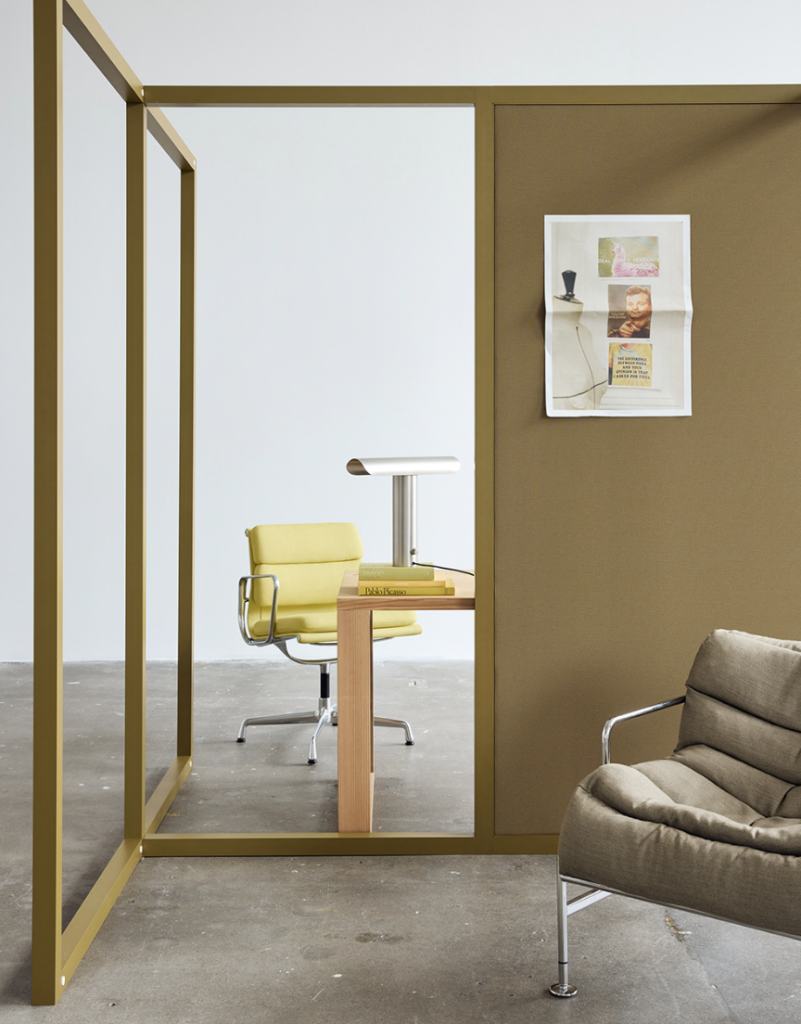
Sound as a design tool: Acoustics are often treated as a technical afterthought. Akuart changes this by treating sound absorption as a fundamental architectural element. Based in Denmark, they create systems that manage noise while defining the visual identity of a space.
Technical & circular excellence:
- Changeable canvas: Their patented system allows the textile surface to be swapped easily. If a client rebrands or renovates, they only change the „skin“ (the textile), while the high-performance acoustic core remains in place for decades.
- Material purity: Acoustic cores are made from 100% recycled PET or high-density glass wool with plant-based binders. All systems reach Absorption Class A. The frame is made from either 80% or 100% recycled aluminium from Hydro.
- Versatility: From wall-mounted panels to ceiling-hung dividers, Akuart integrates seamlessly into cultural, educational, and hospitality environments.
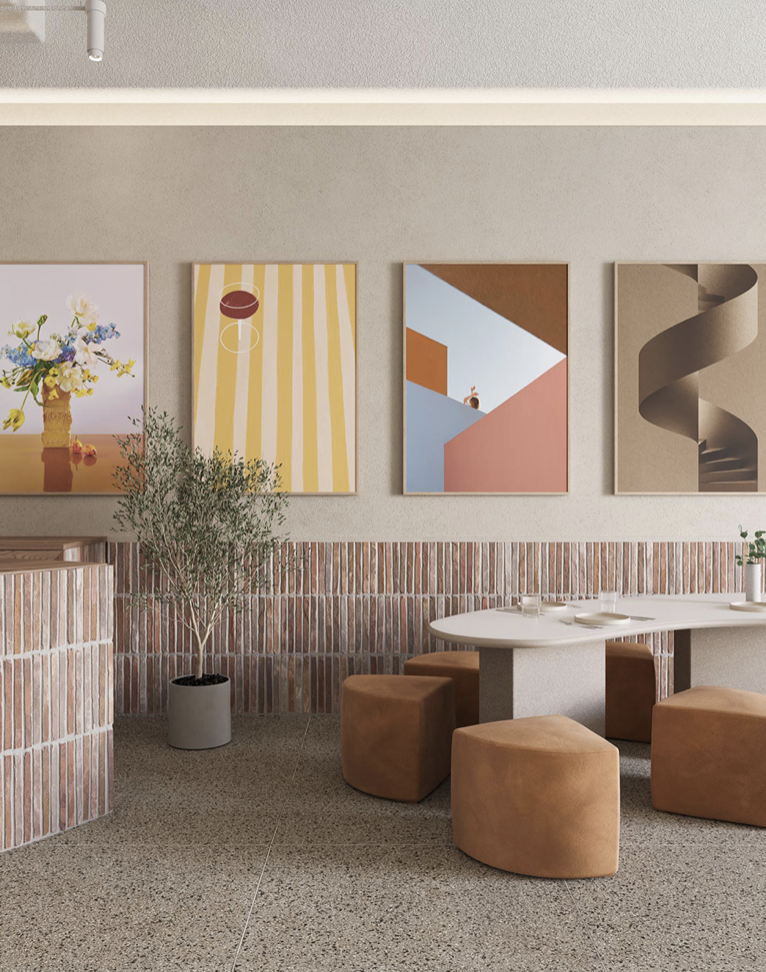
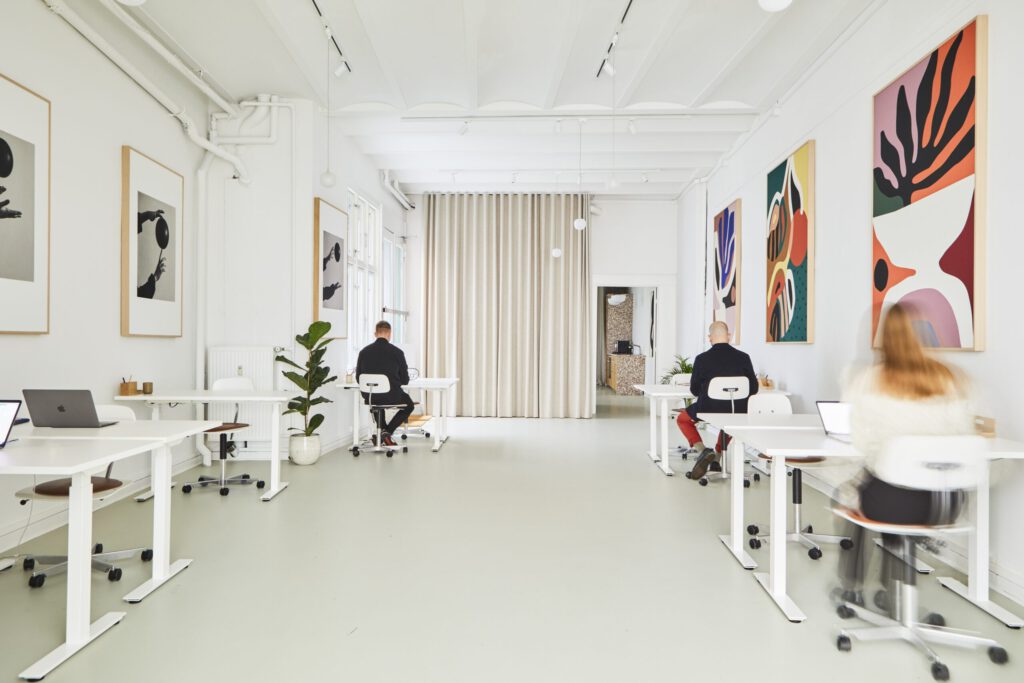
Architectural advantage: Architects can integrate acoustic performance as a primary aesthetic feature. Akuart transforms „noise control“ into a canvas for visual storytelling and spatial atmosphere.
Downloads:
3D-Files I p*con I sustainability I AKUART-Gallery I projects I brandvideo I products I website
Exclusive commercial agent for Germany
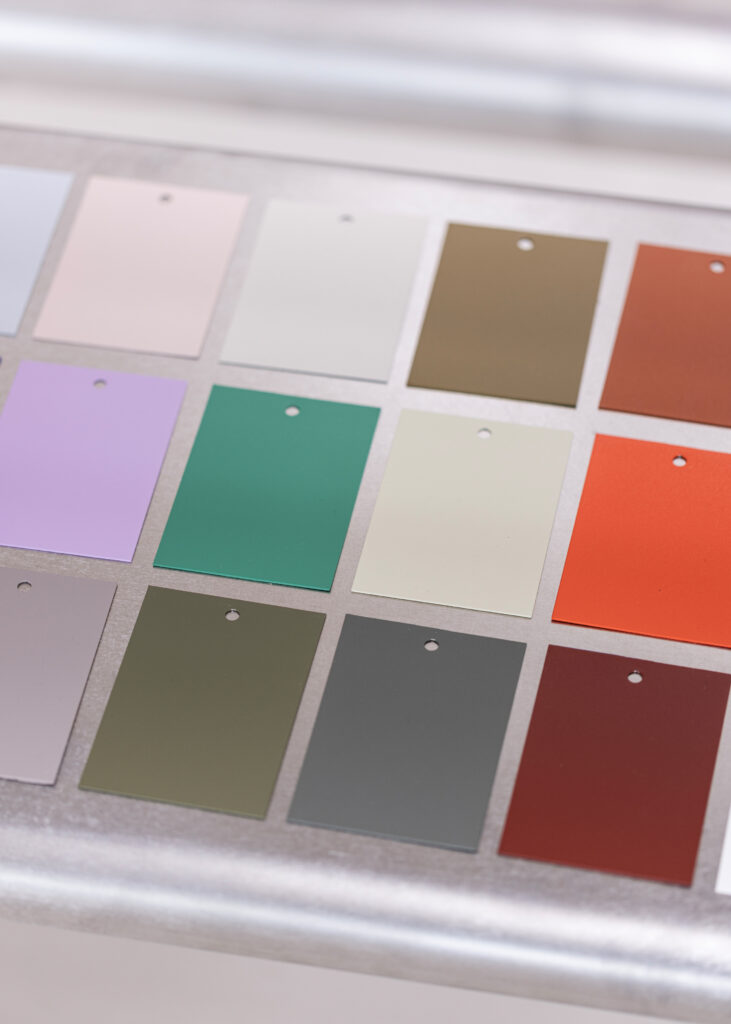
Misura (Belgium) – textile innovation and marine recovery
Sensory foundations: For Misura, the floor is not a decorative layer but the tactile and acoustic foundation of a room. This Belgian brand bridges the gap between traditional weaving techniques and high-tech material science.
The Sedna® collection – Cleaning the oceans:
- Regenerated nylon: The highlight of Misura’s portfolio is the Sedna® collection, made from ECONYL®. This material is 100% regenerated from abandoned fishing nets (ghost nets) recovered from the seabed, along with carpet waste.
- Resource preservation: By using recycled nylon, Misura actively reduces the global warming impact of nylon production by up to 90% compared to virgin material.
- Atmospheric impact: Beyond sustainability, these textiles provide superior acoustic dampening and thermal insulation.
Architectural advantage: Misura allows architects to meet the highest sustainability certifications (LEED, BREEAM) while telling a powerful story of marine conservation through the very fabric of the building.
Downloads:
Exclusive commercial agent for Germany PLZ: 3-6
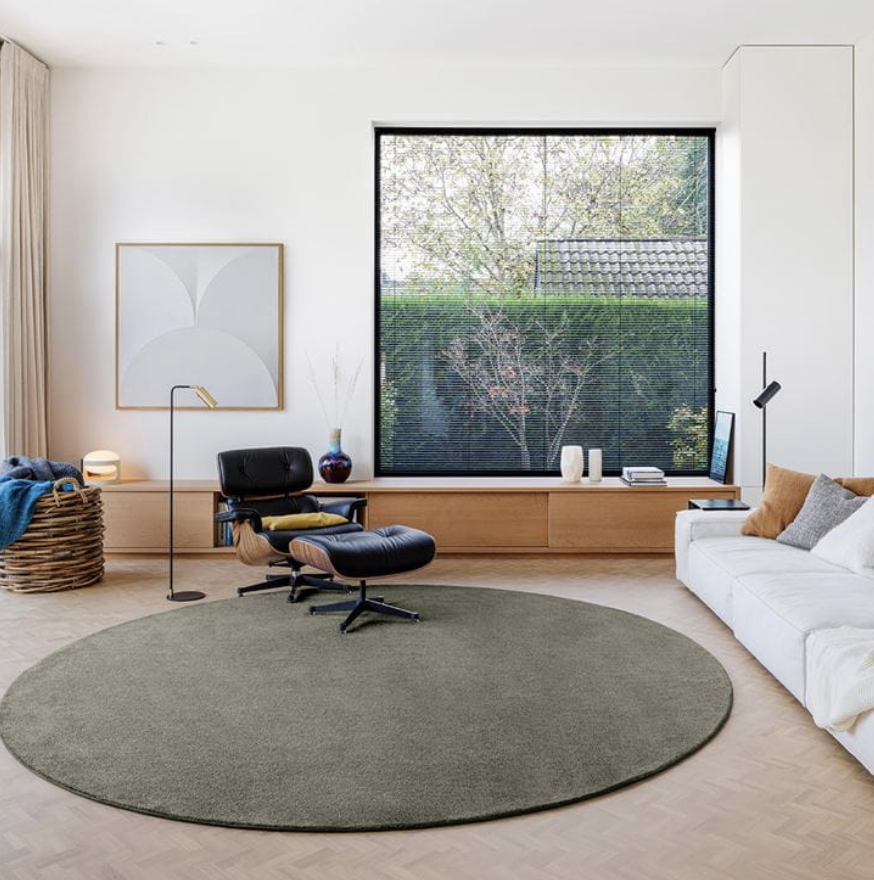
Anour Lighting (Denmark) – architectural light, crafted to last
Light as an architectural material: ANOUR – Farsi for “light” – is a Copenhagen-based lighting brand founded in 2007 by architect Arash Nourinejad. Rooted in Danish design tradition, ANOUR creates lighting with an uncompromising focus on proportion, materiality and craftsmanship. Rather than treating luminaires as decorative objects, ANOUR approaches light as an integral part of architecture–precise, understated and deeply atmospheric.
Craftsmanship & material intelligence:
- Handcrafted in Denmark: Each ANOUR luminaire is individually made and assembled by skilled craftspeople in Denmark. The meticulous production process allows for exceptional precision, bespoke solutions and a level of detailing closer to fine craftsmanship than conventional lighting production.
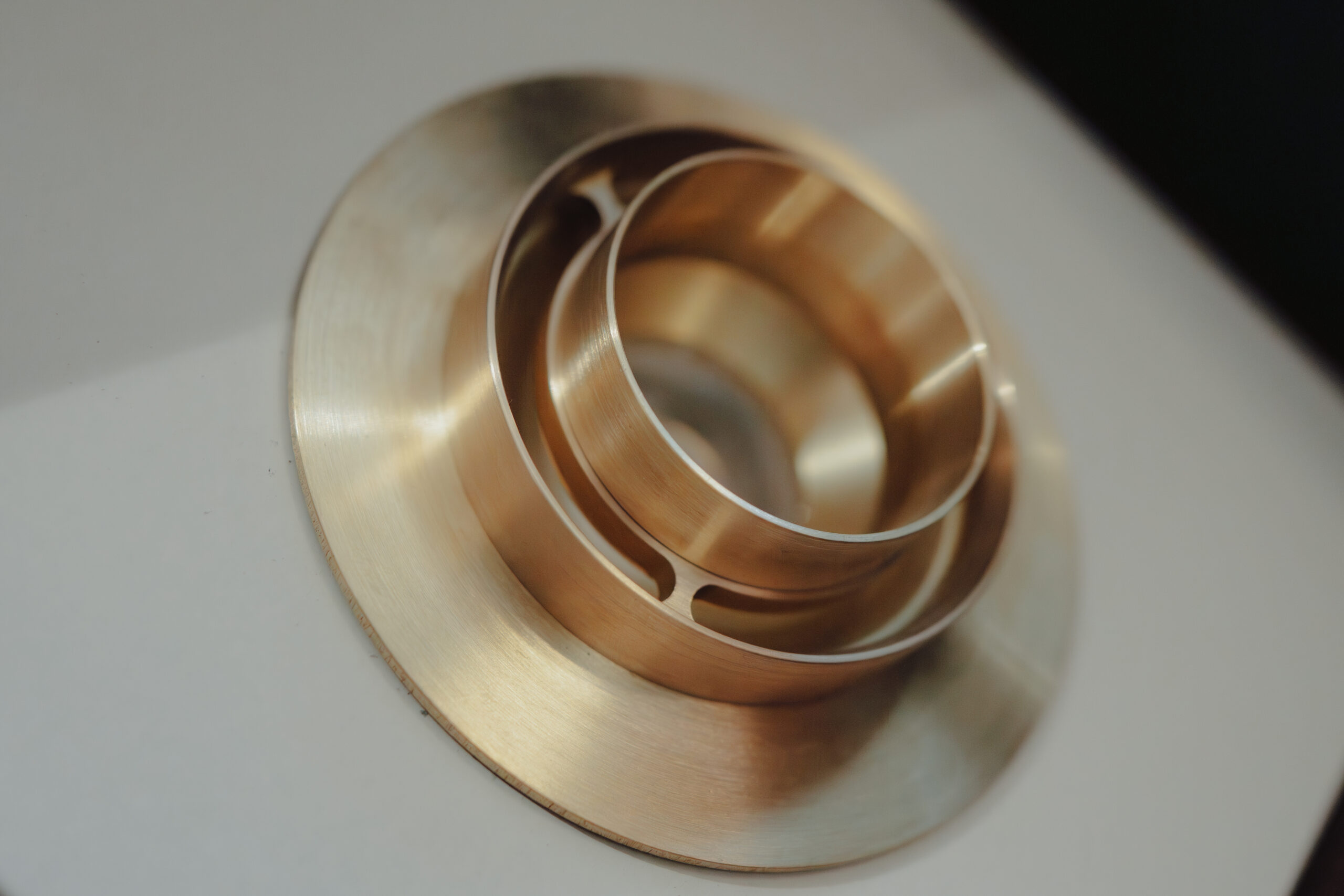
- Honest, living materials: Brass, copper, stainless steel, aluminium, opal glass and natural stone are central to the collection. Surfaces are carefully developed and finished by hand, allowing the materials to age naturally and gain character rather than becoming obsolete.
- Made to order: ANOUR’s approach moves away from anonymous mass production. Products are made to order and can be individually tailored in terms of dimensions, surfaces and technical specifications – an important advantage for architectural and contract projects.
- Technology without visual noise: Sophisticated LED technology and lighting controls are integrated into exceptionally reduced forms. Depending on the product, solutions include DALI, Casambi, TRIAC, PUSH DIM and touch dimming, allowing ANOUR to combine minimalist aesthetics with professional lighting requirements.
Architectural advantage:
ANOUR offers architects and interior designers something increasingly rare: lighting that is technically sophisticated without looking technical. From the iconic linear I-MODEL to the sculptural DONYA family and the modular PARS collection crafted from natural onyx, ANOUR creates light that supports architecture rather than competing with it.
The result is a collection particularly suited to high-end residential, hospitality, workplace and bespoke interior projects where material quality, atmosphere and architectural precision matter equally.
Downloads:
Catalogue | 2D & 3D Files | Image Bank | Surface Samples | Products | Projects | Website
Exclusive commercial agent for Germany PLZ: 3-6
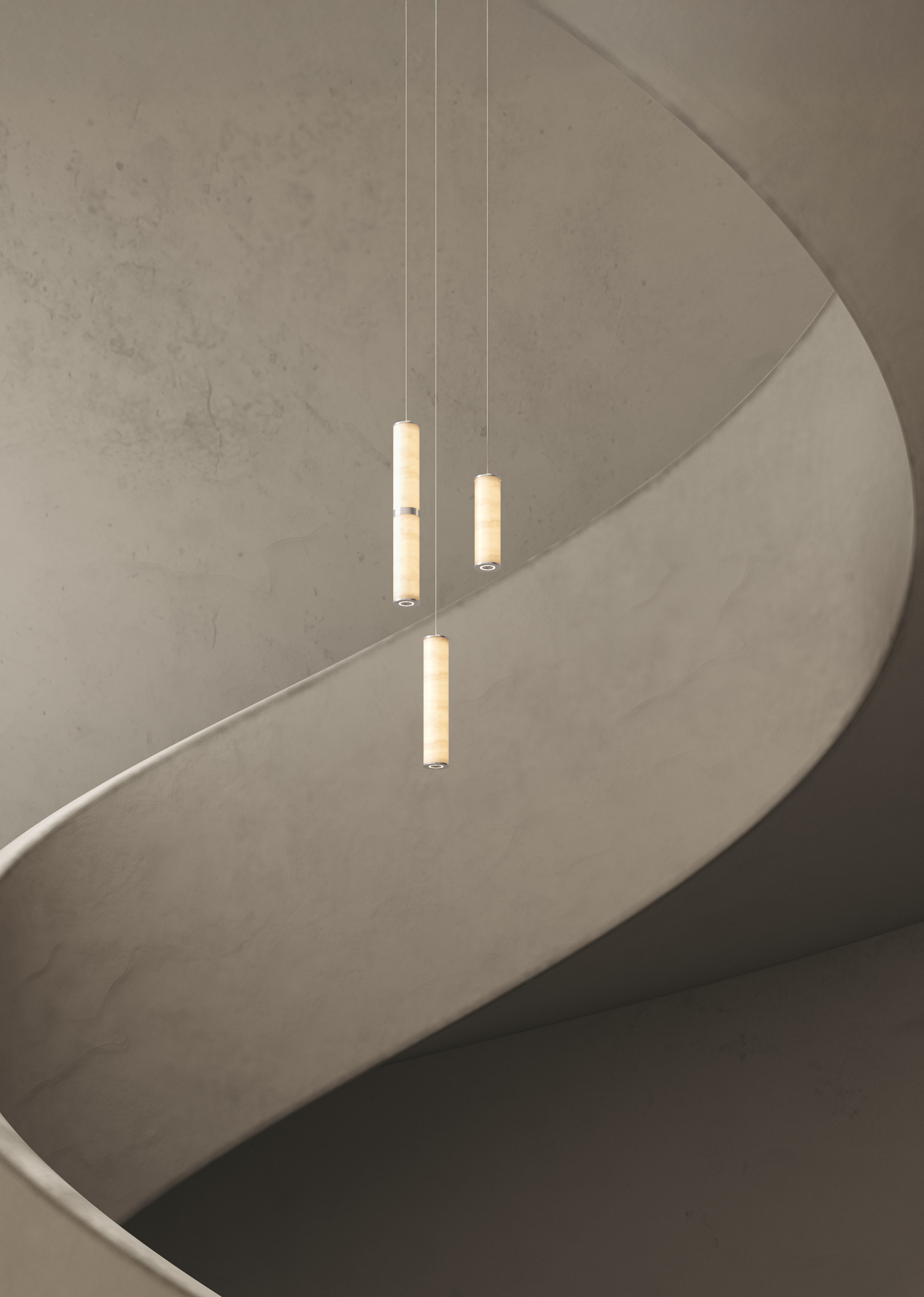
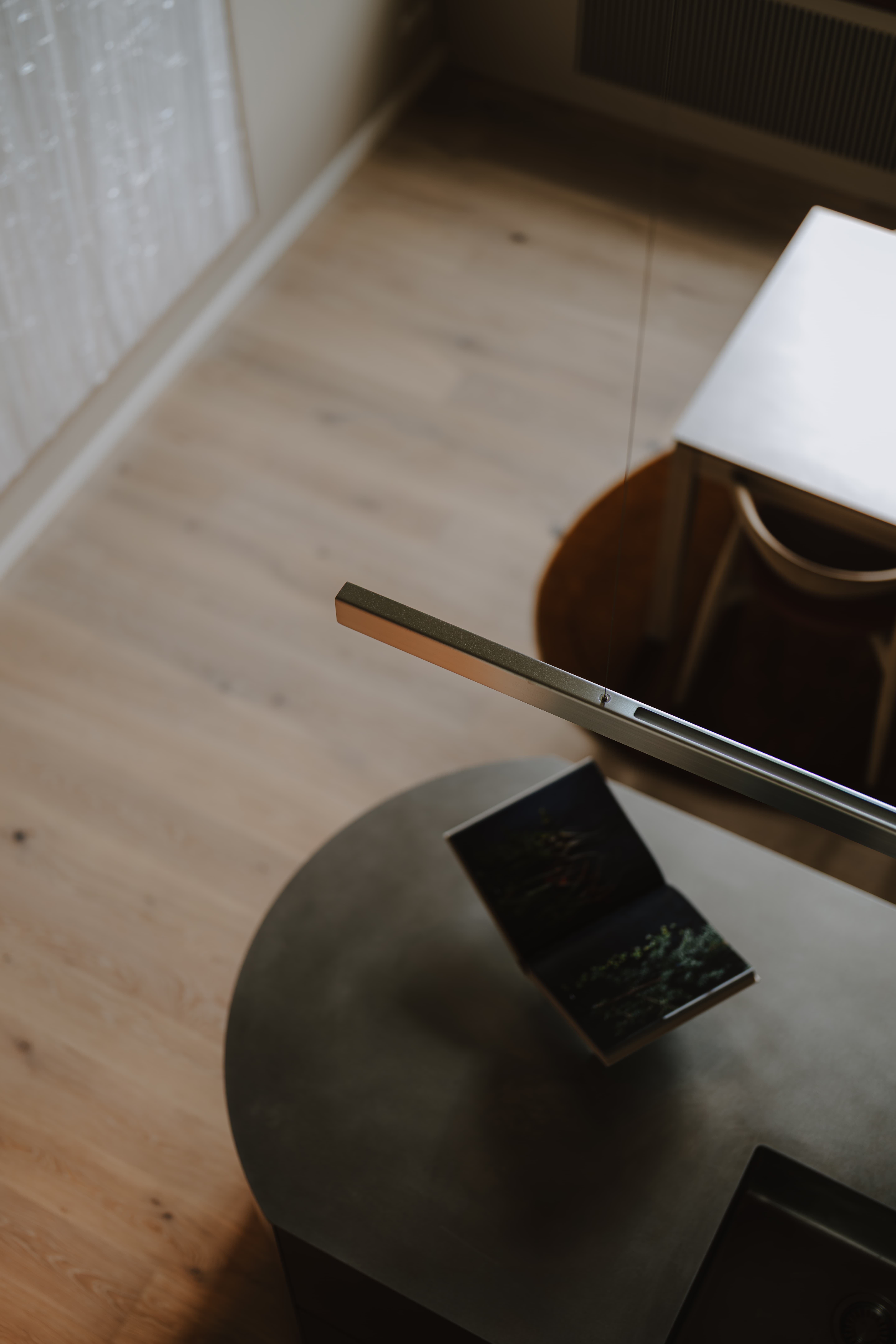
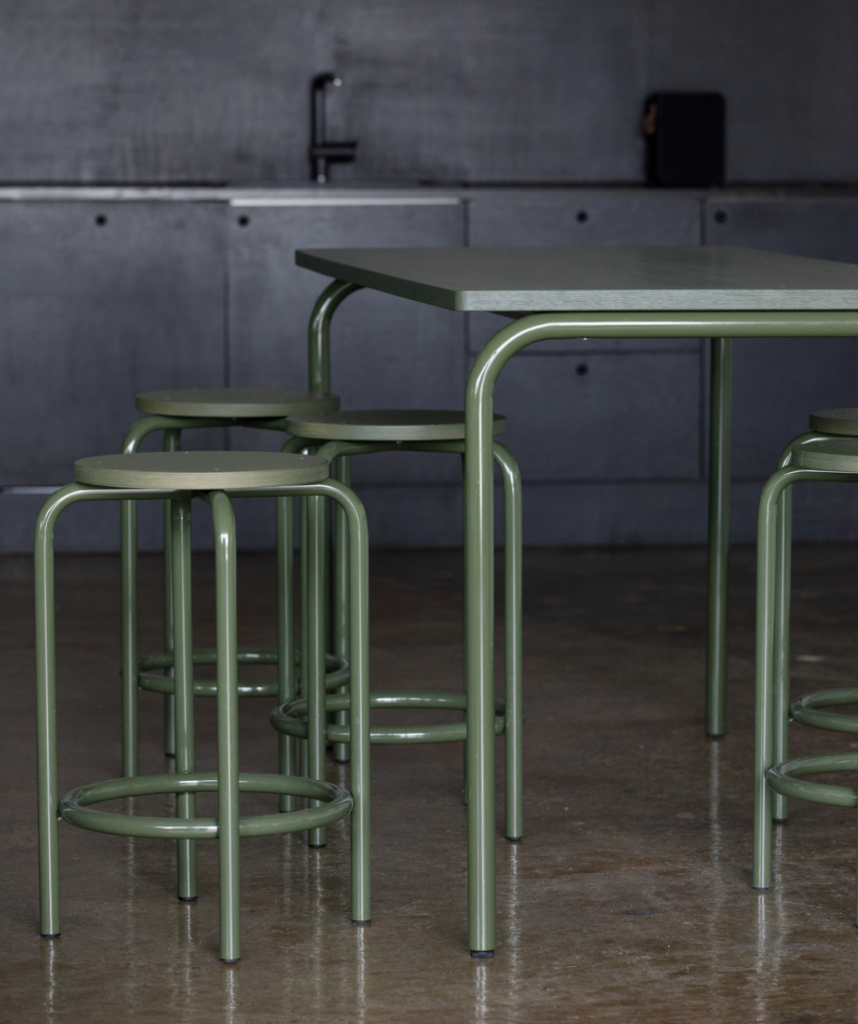
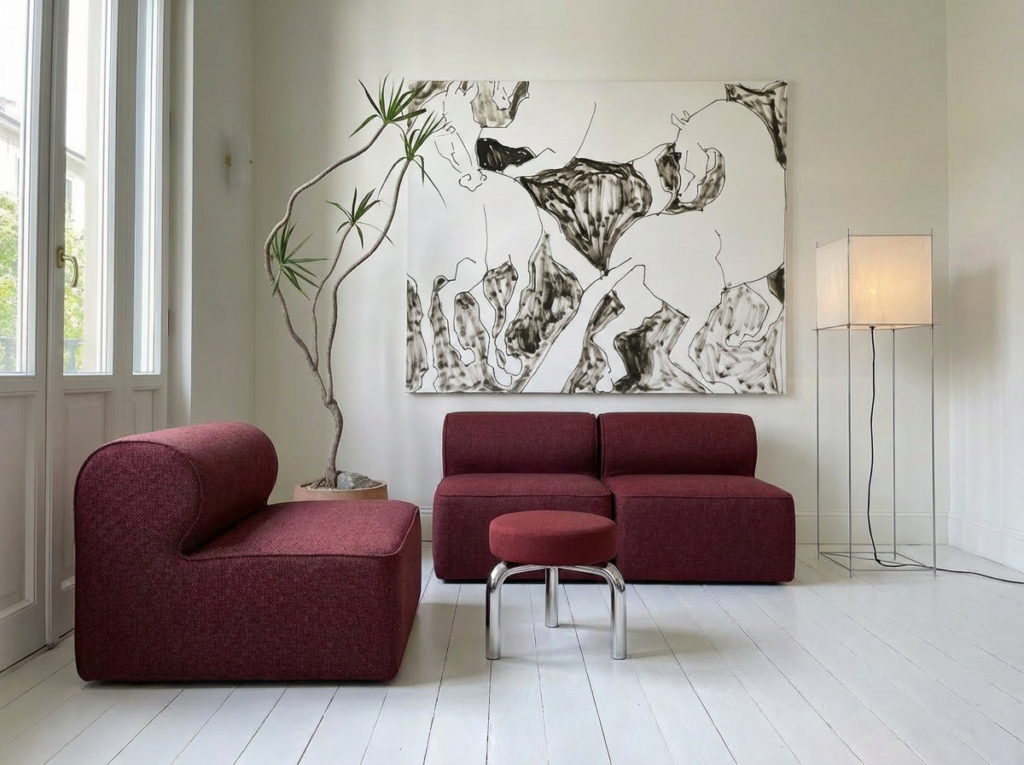
Anno Studio (Denmark) – nordic serenity and architectural depth by Friis & Moltke
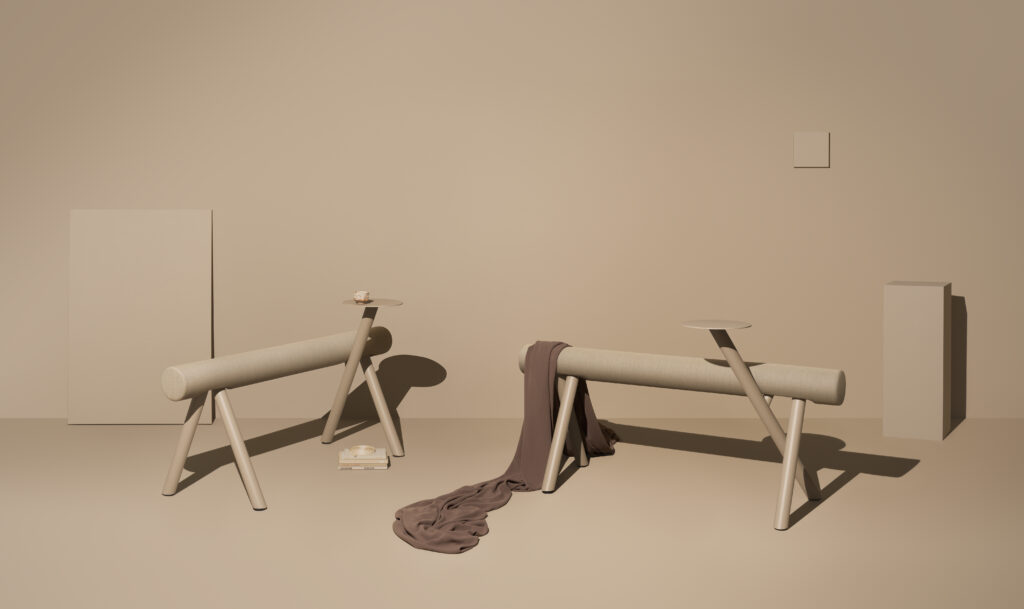
The power of reduction: Annostudio is the embodiment of „quality & serenity.“ Their design language is a response to a loud, complex world—creating objects that are architecturally calm and functionally precise.
Sustainable substance:
- Aesthetic longevity: By avoiding fleeting trends, Annostudio ensures that their furniture remains modern for decades, reducing the need for replacement.
- European craftsmanship: Every piece is a result of a strong Nordic network of suppliers, prioritizing material unity (using only one or two materials per product) to ensure easy recycling.
Architectural advantage: Annostudio provides the „quiet“ elements of an interior. Their pieces support the architecture of a room rather than dominating it, making them perfect for high-end residential and focused work environments.
Downloads:
website I catalogue I 3-D-files I images I projects
Exclusive commercial agent for Germany PLZ: 3-6
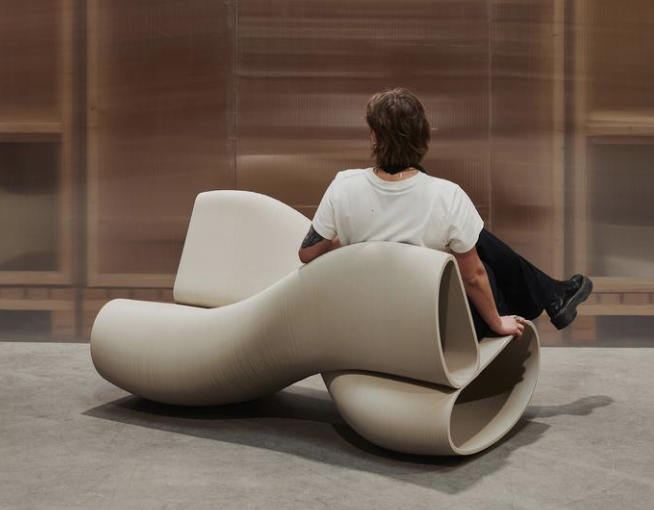
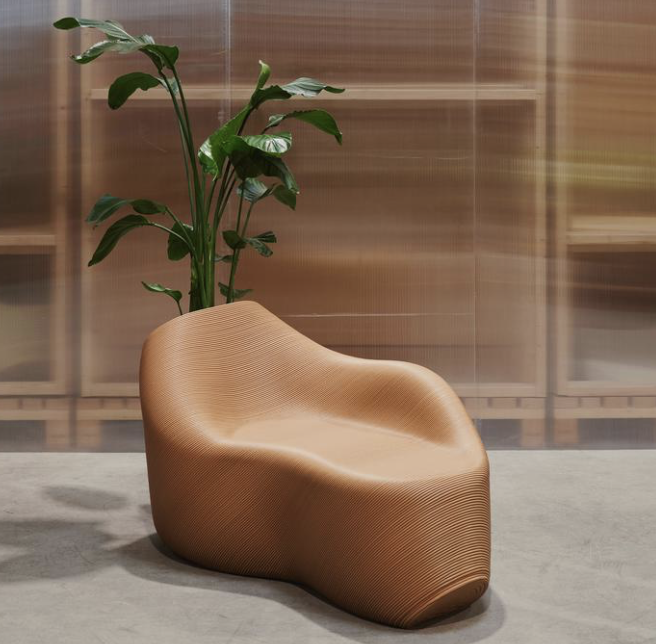
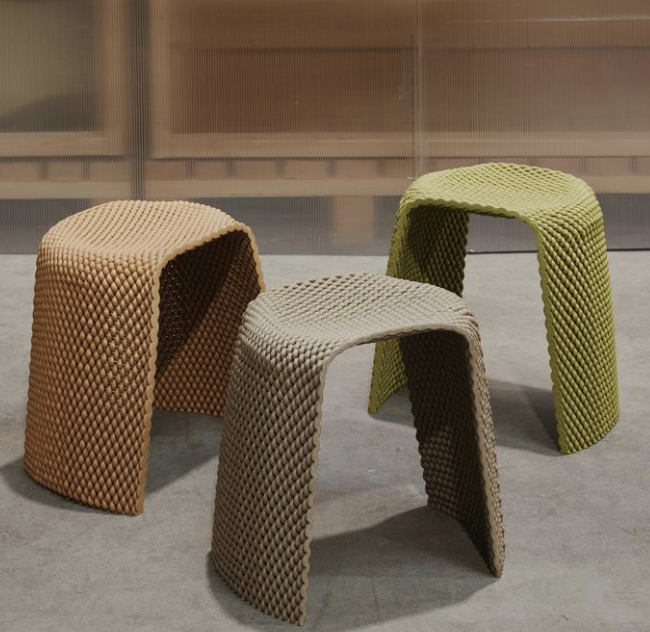
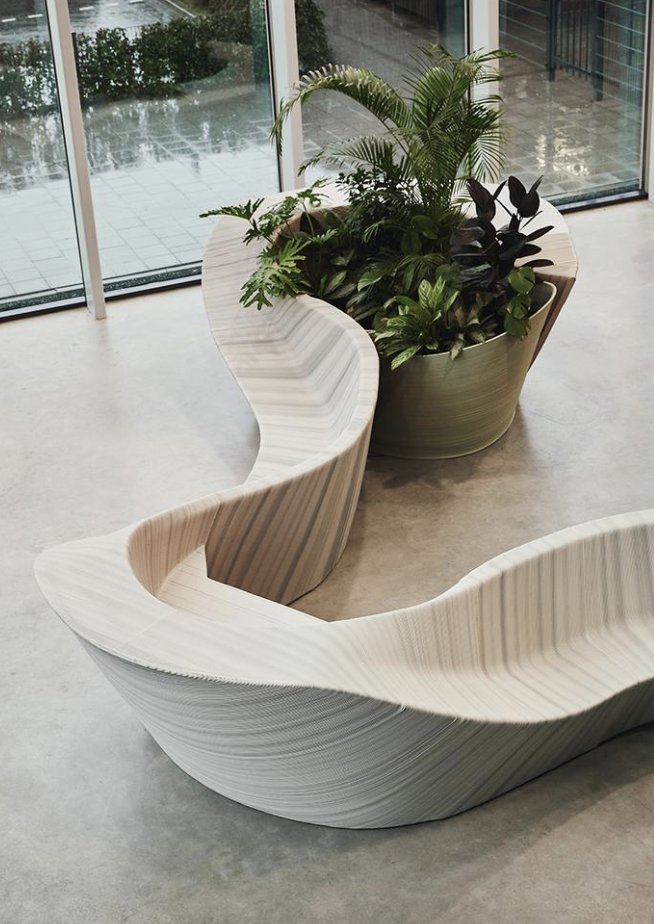
The New Raw (Netherlands) – robotic upcycling
From waste to sculpture: „Waste No More“ is the guiding principle of this Rotterdam-based studio founded by Foteini Setaki & Panos Sakkas. They have pioneered the use of large-scale robotic 3D printing to turn plastic waste into high-quality, durable furniture and urban objects.
The future of manufacturing:
- Zero-waste production: Because the robotic arm only prints the material needed, there is no off-cut or waste during production.
- Infinite recyclability: The objects are made from 100% recycled plastic (household and industrial) and are designed to be ground down and reprinted at the end of their life.
- Tactile innovation: The 3D printing process creates a unique, layered texture that is both a functional grip and a visual reminder of the material’s origin.
Architectural advantage: For architects looking to make a bold statement about circularity, The New Raw provides sculptural, context-driven pieces that serve as a physical proof of a functioning circular economy.
Downloads:
Exclusive commercial agent for Germany
SurfBench (Germany/Italy) – kinetic interaction
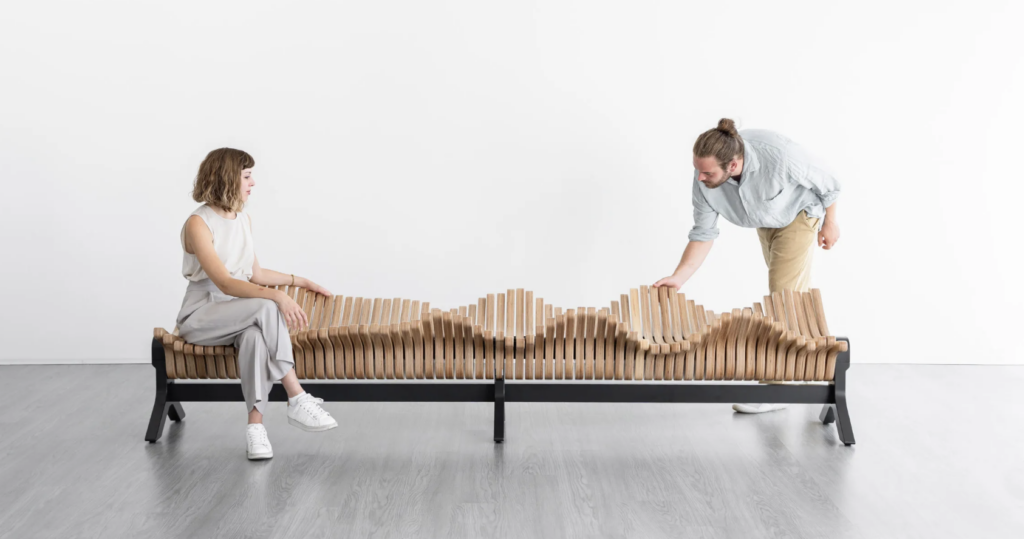
Seating in motion: Developed in Germany by Kim Andre Lange and manufactured by master artisans in Italy, SurfBench redefines seating as a dynamic, kinetic experience. It is a functional artwork that invites curiosity and human connection.
Mechanical excellence & circularity:
- Powered by people: The wave-like motion of the bench is entirely mechanical. It requires no electricity, sensors, or motors—just the natural movement of the people sitting on it.
- The „eternal“ build: SurfBench is designed for public spaces where durability is key. Every single component is individually bolted. If a part wears out after years of use, it can be replaced in minutes. It is a product designed for infinite repairability.
- Cultural fusion: Combines German engineering precision with the world-renowned manufacturing quality of Italy.
Architectural advantage: The SurfBench activates „dead“ spaces like foyers or hallways, turning waiting time into a playful, sensory experience.
Downloads:
Commercial agent for Germany PLZ: 4-6